
Eon Health technology turns ‘incidental’ findings into miracle discoveries
SPRINGFIELD, Ill. — Hospital Sisters Health System (HSHS) is using AI to transform chance discoveries of early lung cancer into second chances for patients.
Thanks to Eon Health’s AI-driven platform that scrutinizes radiologists’ notes to flag abnormalities unrelated to a lung cancer scan’s original purpose – aka “incidental” findings – patients are diagnosed with lung cancer before they even experience symptoms.
Early detection is key to overcoming any disease but is especially crucial in lung cancer since the disease is usually advanced when it is discovered. According to the American Cancer Society, the five-year overall survival rate for lung cancer is 27%, but when diagnosed early, that survival rate jumps to 67%.
“What makes this technology so powerful is simple: Patients are being diagnosed earlier, faster and at a stage when treatment outcomes are dramatically better,” said Branden Richardson, HSHS System Director of Radiology. “These aren’t just incidental findings – they’re life-changing discoveries. The combination of HSHS’ high-quality, compassionate care and this technology is a game-changer for patients.”
Since implementing Eon Health’s AI-driven platform in March 2022 in its Illinois and Wisconsin hospitals, 1 in every 1,000 patients with incidental findings has been diagnosed with lung cancer. Some specific examples offer a glimpse of the compelling results that can be achieved:
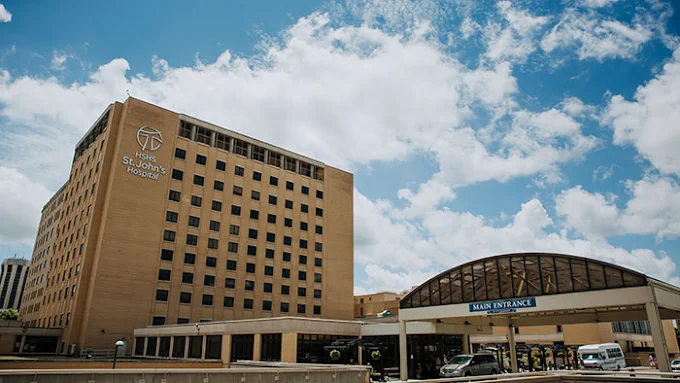
After a CT scan checking for blood clots at HSHS St. John’s Hospital in Springfield, the radiologist’s notes indicated scattered nodules in both lungs measuring up to 8 millimeters. Since that size often indicates a higher risk of cancer, the Eon system recommended follow-up CT and PET scans focused on the nodules. A subsequent biopsy confirmed a cancer diagnosis, and treatment was started
Similarly, at HSHS St. Elizabeth’s Hospital in O’Fallon, the AI platform read the radiologist’s notes on the presence of bronchitis and two nodules, measuring 1 centimeter each, on a chest X-ray and CT scan for flu-like symptoms. Eon’s recommended follow-up procedures focused on the nodules, which were ultimately found to be cancerous.
This advanced, life-saving technology is at work at smaller, rural hospitals, as well. At HSHS Good Shepherd Hospital in Shelbyville, cancer was found after a standard treatment plan for a fall. Information from the radiologist followed by Eon Health’s screening of it led to an 8 millimeter nodule in the lungs being scanned. The scan showed it had grown and was cancerous.
Early detection findings like these can lead to more effective and less invasive treatment plans for cancer patients.
Contact your primary care provider to discuss your lung cancer risks and screening options. Once you have a referral, call 217-757-6565 to make an appointment at a convenient Illinois HSHS location.
For more information about HSHS, visit hshs.org.
###
About HSHS St. Anthony’s Memorial Hospital
HSHS St. Anthony’s Memorial Hospital, Effingham, celebrating 150 years of serving the Effingham community, is part of Hospital Sisters Health System (HSHS), a nonprofit Catholic health care ministry founded in 1875. Dedicated to our Mission to reveal and embody Christ’s healing love for all people through high-quality Franciscan health care, HSHS clinicians provide exceptional care centered on the whole person. Based in Springfield, Illinois, HSHS employs nearly 11,000 colleagues who provide care in 13 acute-care, children’s and critical-access hospitals and home health and hospice programs in Central and Southern Illinois and Eastern Wisconsin. HSHS is aligned with more than 1,000 primary and specialty physicians and advanced practitioners through its owned affiliates HSHS Medical Group and Prairie Cardiovascular and its partnership with Prevea Health. For more information about HSHS, visit hshs.org.